
Introduction
Your gut is a lot more than a digestive organ. It does heavy lifting for your overall health by helping your body handle food, take in nutrients, support immunity, balance hormones, and even nudge your mood. Inside the digestive tract there are trillions of tiny microorganisms, called the gut microbiome. These helpful bacteria help you stay working smoothly.
But when the harmony of these microorganisms gets disrupted by poor eating habits stress, little sleep, antibiotics, or illness, your digestive system can start feeling off, like it is not working as efficiently. And then your body may begin giving you early warning signs, the ones you really should not brush aside.
If you pay attention to these initial signals, you can often improve your health before small digestive troubles turn into bigger issues.
Frequent Bloating
Bloating after a big meal now and then is pretty normal, but frequent bloating can hint at weak digestion or a shift in gut bacteria balance. Gas tends to build up when food is not broken down well, so your stomach feels swollen, tight, and kinda uncomfortable.
To calm bloating, try eating slowly, drink enough water, avoid stuffing yourself, and add more fiber-rich foods into your routine.
Ongoing Digestive Problems
Constipation, diarrhea, acid reflux, excessive gas, or that general stomach discomfort are common cues that your digestive system wants attention. These issues can come from eating patterns that are not so great, dehydration, food intolerances, or an unhealthy gut microbiome.
You may notice improvement when you eat more balanced meals, stay active, and cut back on processed foods.
Constant Fatigue
If you feel tired often, even though you sleep enough, your gut health might be one of the reasons. Poor digestion can lower how well your body absorbs key nutrients like iron, vitamin B12, and magnesium, and those are crucial for energy production, so the fatigue can show up sooner than you’d expect.
Food intolerances
A lot of people feel weird or uncomfortable after eating certain foods, and they don’t even notice that their digestive system is kinda struggling to break them down.
Some usual trigger foods can be for example
- Dairy items
- Fried foods
- Products with wheat
- Artificial sweeteners
- Highly processed snack foods
If you keep a food diary , it can be pretty useful, because you can spot which meals cause the digestive discomfort faster, and then connect the dots.
Frequent sickness
Something like 70% of your immune system is tied in with your digestive tract. The healthy gut bacteria actually help shield your body from harmful microorganisms.
So if you keep catching colds or other infections, it might mean your gut ecosystem is off, and it’s somehow influencing your immunity.
Skin issues

Your skin often gives clues about what’s going on internally. In some individuals poor gut health has been associated with acne, eczema, redness, and even inflammation, kind of directly.
And when you support digestion with a balanced diet, it may also show up as skin that looks a bit better, more calm, and more even.
Weight changes you can’t explain
If you gain weight or lose weight without major changes in routine or lifestyle, gut health can sometimes be one of the reasons.
Bad digestion can mess with nutrient absorption, metabolism, appetite, and also blood sugar regulation. That’s not always obvious at first.
Sticking to healthy eating habits, plus regular physical activity, tends to support gut health as well as a healthier body weight.
Bad Breath
That persistent bad breath, it s not always just coming from teeth. Sometimes, it s linked to poor digestion and an imbalance of bacteria inside the digestive tract, you know.
So, practicing good oral hygiene, while also improving digestive health, may help lessen that unpleasant breath.
Brain Fog
A lot of people who have weaker gut health often mention trouble focusing, forgetfulness, and mental weariness. Like it s harder to stay on track.
Researchers are still studying the gut brain connection, but the signs point to digestive health having an impact on brain function and even emotional steadiness.
Mood Changes
The gut produces chemicals that talk directly to the brain. If the gut isn’t in a good state, it may help bring on stress, anxiety, crankiness or even a lower mood.
Eating nourishing foods, exercising on a regular basis, and managing stress, can support both digestion, and mental health too.
Common Causes of Poor Gut Health
There are several everyday habits that can shake up the balance of healthy gut bacteria, including :
Highly processed foods
Too much sugar consumption
Not enough dietary fiber
Ongoing chronic stress
Low quality sleep
Smoking
Drinking a lot of alcohol
Using antibiotics too often, without a real medical need
Not moving enough (physical inactivity)
Not drinking adequate water
If you can spot these patterns and adjust them little by little, it can make a big difference, honestly.
How to Improve Gut Health Naturally
Improving gut health doesn’t have to mean costly supplements. Usually, small lifestyle upgrades are where the real payoff shows up.
Eat More Fiber
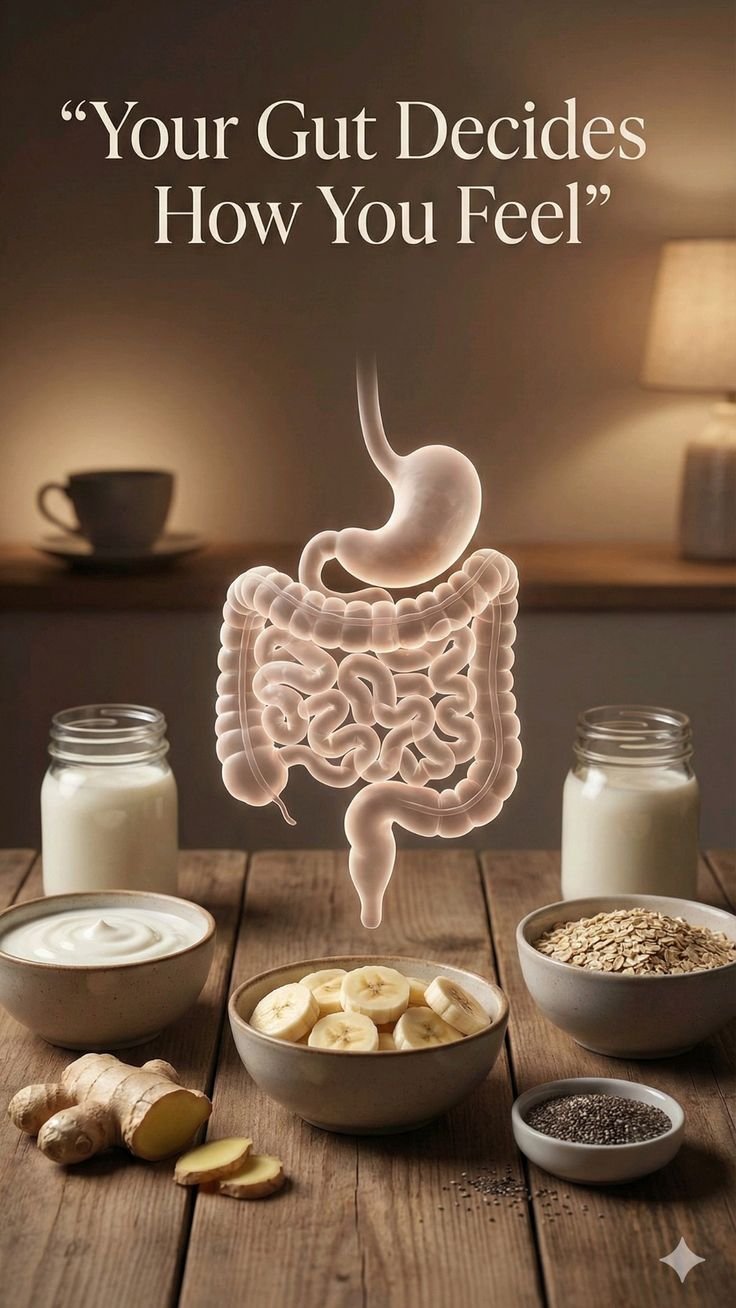
Fiber is like fuel for helpful gut bacteria, and it also supports steady digestion. Add fruits, vegetables, whole grains, beans, nuts, and seeds to your daily meals.
Eat Fermented Foods
Fermented foods naturally contain beneficial bacteria that support a healthier gut ecosystem.
Examples include :
- Yogurt
Kefir
Kimchi
Sauerkraut
Stay Hydrated
Stay Hydrated
Water helps with digestion, and can also ease constipation. For most adults, it’s usually best to sip enough fluids across the day rather than trying to catch up later.
Cut Down on Processed Foods
Things like fast food, sugary snacks, and heavily processed meals might mess with gut bacteria. Whenever you can, go for whole foods and keep processing to a minimum.
Move Regularly
Regular physical activity supports digestion and may help your gut microbiome become more varied. Try to get at least 30 minutes of moderate movement on most days.
Sleep Better
Most adults should aim for 7–9 hours of quality sleep each night. If your sleep is poor, it can affect gut health and your overall wellness too.
Handle Stress
Long term stress can throw off digestion and gut bacteria. Simple strategies like deep breathing, meditation, taking a walk, or spending time outside can make a difference, even if it’s just a little.
Foods That Support Gut Health
You might improve digestion naturally by adding some of these to your meals:
- Oats
- Apples
- Bananas
- Leafy green vegetables
- Garlic
- Onions
- Yogurt
- Beans
- Lentils
- Berries
- Almonds
- Salmon
- Chia seeds
When Should You See a Doctor?
Even though many digestive issues get better with healthier habits, it’s smart to get medical advice if you notice:
Blood in your stool
Severe abdominal pain
Unexplained weight loss
Diarrhea or constipation that keeps going for several weeks
Trouble swallowing
Ongoing vomiting
A healthcare professional can figure out what’s actually going on and recommend treatment that fits.
Your gut matters for so many parts of health, like digestion, immunity, energy levels, skin condition, and mood. A balanced gut microbiome helps your body carry out daily functions more smoothly.
If you keep noticing bloating often, stomach discomfort, fatigue, skin problems, or other warning signs, consider making small lifestyle tweaks, Small daily habits can lead to significant long-term improvements in digestive health and overall well-being.
Frequently Asked Questions
Can gut health improve naturally?
Yes. A balanced diet, regular exercise, adequate sleep, and stress management can significantly improve gut health over time.
Are probiotics necessary?
Many people benefit from probiotic-rich foods like yogurt and kefir. Supplements may be helpful in some cases, but they should be used under medical guidance.
How long does it take to improve gut health?
Some people notice improvements within a few weeks, while others may require several months of consistent healthy habits.
| Select Best Diet Plan for Pregnant Women A Complete Guide 2025/2026 | Best Diet Plan for Pregnant Women A Complete Guide 2025/2026 |
|---|